
What’s the Difference Between “Normal” Snoring and Problematic Snoring?
Nearly everyone snores occasionally, and in many cases, mild snoring is not harmful. However, frequent or disruptive snoring can sometimes point to a more serious underlying issue. When snoring begins to interfere with sleep or daily life, it may be considered problematic.
Signs of problematic snoring can include:
-
Your snoring keeps your bed partner or roommate awake
-
Your bed partner needs earplugs to sleep
-
Your snoring has become a frequent source of family jokes or concern
-
You snore most or all nights
So what makes snoring “socially unacceptable”? In simple terms, it means the snoring is disruptive enough to affect the people around you. More importantly, loud or chronic snoring can also be a warning sign of an underlying medical condition—most notably obstructive sleep apnea (OSA), for which snoring is a common symptom.
If your snoring is causing problems, it’s worth taking a closer look to find out whether there may be an underlying cause.
What Causes Snoring
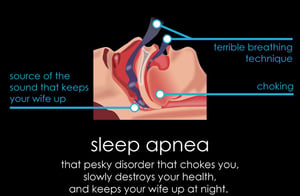 There are many causes of snoring, some common ones including:
- Obstructive sleep apnea (OSA)
- Deviated septum
- Allergies (congestion)
- Improper head elevation
- Alcohol or other sedative drugs/medications
- Smoking
- Obesity
- Tumors/cysts
- Genetics (snoring is hereditary)
If you are able, discovering why you snore is the best way to stop snoring or reduce it. We point out OSA in particular because, for one, there is often such overlap between snoring and OSA, and two, OSA is a serious medical condition that can have significant long-term effects on your health, such as:
- Lower life expectancy
- Lower quality of life in nearly all areas (cognitive ability, mood, stress levels, etc.)
- Lower performance in nearly all areas of life
- Increased risk of many heart-related diseases
How to Stop or Decrease Snoring
The best way to stop snoring is to try figuring out the cause. On your own, you might try a process of elimination to see if there are simple things you can do to reduce your snoring, such as:
- Losing weight
- Cutting back on smoking
- Cutting back on drinking
- Sleep in a different position, such as not on your back
- Buy an anti-snoring pillow
If your snoring continues despite these changes, it might be time to consult with a sleep specialist or your doctor, where you may discuss things like:
- Getting a sleep study
- Sleep deprivation symptoms
- Medications you are taking
- Family history
- Allergy sensitivities
- Structural peculiarities in your nose
This is the more “formal” discussion in the sense that you may require other intervention for your snoring, such as changing medication or treating sleep apnea (if you were diagnosed with it).
Snoring Facts
Here are some further facts about snoring, some of which we have already covered:
- There are no inherent problems with snoring (outside of being disruptive)
- A common sign of a deeper underlying and serious medical condition: OSA
- Chronic snorers are much more at risk for developing hypertension, stroke (67% more likely), and heart attack (34% more likely) vs non-snorers
- Snoring is hereditary (thanks mom/dad)
- Alcohol or other sedatives can exacerbate snoring
- 3 out of every 10 women snore
- 4 out of every 10 men snore
- The decibel range of snoring is similar to a pneumatic drill (50dB - 100dB)
- People become more susceptible to snoring as they age
- Elevating your head while sleeping can significantly help snoring
If you or someone you know has difficulty sleeping, please click the blue box below for a sleep medicine consultation.
