ANCSLEEP BLOG

Consequences of Chronic Sleep Deprivation

Posted by Tyler Britton on Dec 22, 2019 10:00:00 AM

What is Chronic Sleep Deprivation

Chronic sleep deprivation is frustrating, and even debilitating. It involves long periods - weeks or months - of less than adequate sleep. Chronic sleep deprivation can take a toll on one’s body, mind, and life. If you have been living with chronic sleep deprivation, then this may sound familiar. The important questions are, what are the consequences of untreated sleep deprivation, and what can you do about it?

You should be getting at least 7 hours of sleep per day, and overcoming sleep deprivation means finding ways to get that amount of sleep. Overcoming chronic sleep deprivation may involve making small or radical changes to your life – it all depends on why you are chronically sleep deprived. An extremely important step in trying to get back to healthy sleeping is identifying what the root cause or causes of your sleep deprivation are. Common causes are:

  • A sleeping disorder such as insomnia, obstructive sleep apnea, parasomnia, etc.
  • Medical conditions
  • Medications
  • Disease
  • Chronic pain
  • Chronic stress
  • Lifestyles choices
  • Work hours (i.e., shift work)
  • Natural, biological changes (we sleep differently as we get older)
  • In Alaska, the extreme dark/light can also be a major factor

Identifying the cause of your chronic sleep deprivation is an important step, but it’s not the first step. First you need to recognize that you are suffering from chronic sleep deprivation. There are a variety of symptoms and consequences that may assist you in this task.

Let’s look at the various life-consequences and symptoms of chronic sleep deprivation in terms of:

  • Medical consequences
  • Cognitive consequences
  • Emotional and psychological consequences
  • Performance consequences
  • Social consequences
  • Sexual consequences (yes, sleep can greatly affect your sex life!)

Read More

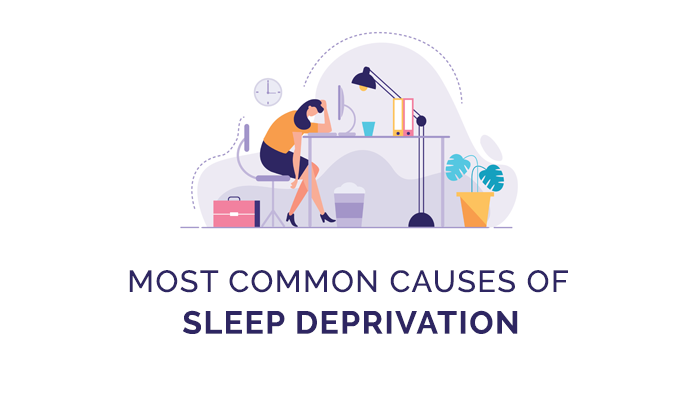
Most Common Causes of Sleep Deprivation

Posted by Tyler Britton on Dec 18, 2019 8:49:09 AM

Are You Sleeping Enough?

Have you been getting enough sleep lately? If you're like most people, the answer is probably no. It's important to aim for about 7 hours or more of sleep each day, depending on your individual needs. But why are so many of us falling short? Let's explore some potential reasons for our sleep deprivation. Identifying the cause or causes is the first step towards achieving healthier sleep patterns.

Read More

Overview of Sleep Deprivation

Posted by Tyler Britton on Dec 12, 2019 7:10:56 AM

What is Sleep Deprivation

Sleep deprivation is a condition that occurs when you are deprived of sleep. It can be a long-term or short-term deficiency, known as chronic or acute sleep deprivation. Regardless of the duration, sleep deprivation can have a significant impact on your overall well-being and the people around you. Take a moment to reflect, did you get enough sleep this week?

Sleep deprivation has a profound effect on various aspects of your life, including physical health, cognitive performance, emotional well-being, athletic abilities, and overall medical health.

The criteria for sleep deprivation differ from person to person, depending on three fundamental factors: age, lifestyle, and individual needs. As we age, our sleep patterns and requirements change. Different lifestyles may necessitate more or less sleep, especially for those who work irregular hours, such as shift workers. Additionally, there is the unique aspect of each individual's sleep needs, where a certain amount of sleep is required simply because it is what you personally need.

Sleep deprivation can affect individuals of all ages, from children to adults, and can have both known and unknown causes. It can range from severe to moderate or minor in its impact.

Read More

Sleep Disorders that Cause Chronic Fatigue

Posted by Tyler Britton on Aug 6, 2019 1:14:45 PM

Chronic Fatigue Troubles

Chronic fatigue can have a profound effect on life quality. For those who suffer from chronic fatigue, they are very aware of how problematic chronic fatigue is. For those struggling with chronic fatigue, they often wonder why? 

There are many causes for chronic fatigue: life factors, stress, disease, and sleep disorders are the most common. Some causes may be short-term, such as an overwhelming project or busy schedule. It's often easier to identify these situations as reasons for fatigue. However, underlying sleep disorders, which are also a common cause, may be harder to detect. 

Sleep deprivation can have the following negative effects: 

  • Lowers life expectancy
  • Lowers quality of life
  • Lowers performance in all areas of life (mental, emotional, physical)

Let’s look at common sleep disorders that cause chronic fatigue and lead to sleep deprivation.

Read More

Why Chronic Sleep Deprivation Can Cause Depression

Posted by Tyler Britton on May 29, 2019 8:35:11 AM

What is Clinical Depression?

Clinical depression is a mood disorder that causes you to feel helpless, apathetic to your life and outcomes, hopeless, numb, or sad, among other things. It can make it hard to get out bed in the morning, feel excited about things that are happening in your life, or cause you to distance yourself from friends and loved ones.

While feeling sad is a normal part of being a human, the feelings associated with clinical depression are chronic and intense enough to interfere with relationships, personal habits, personality, jobs, and so on.

Read More

Link Between Sleep Deprivation and Depression

Posted by Tyler Britton on May 23, 2019 10:22:26 AM

What is Sleep Deprivation

Sleep deprivation is the chronic condition of not receiving adequate sleep. Adequate sleep will differ from person to person, and change as we age. Most of us suffer from sleep deprivation because we either have trouble staying asleep, or getting to sleep. 

It's also important to distinguish between shorter term sleep deprivation, such as sleep deprivation causes by anxieties or stress that will soon pass, and long term sleep deprivation, such as a chronic lack of sleep that may spread over months or years.

Sleep deprivation is usually followed by sleep bingeing (i.e. on the weekends) before the cycle of sleep deprivation starts over. Chronic sleep deprivation has a strong link to depression. One of the common signs of insomnia and sleep apnea, for example, is depression.

Read More

How to Break the Sleep Deprivation Cycle

Posted by Tyler Britton on May 10, 2019 8:00:00 AM

The sleep deprivation cycle is one that many struggle with chronically, essentially consisting of being sleep deprived for days followed by sleep binging, which leads to even more late nights and continued sleep deprivation. It’s a self-perpetuating cycle that commonly occurs during the week with sleep deprivation and "catch up" during the weekend. 

The opposite of the sleep deprivation cycle is consistent, sufficient sleep, as opposed to being deprived of sleep. Sleep deprivation is insidious, and can be result in a lower quality of life, lower expectancy, and decreased performance in every aspect of life. Breaking the cycle is important for overall life quality and health. Continue reading this blog post where we discuss a number of tips to help break this cycle. 

Read More

Subscribe to Email Updates

Recent Posts

Posts by Topic

see all